
The Tools Locksmiths Use to Pick Locks
Professional locksmiths use specialized, lock-matched equipment; picking is one approach, while rekeying changes which key operates a lock. Call (240) 980-1647 for a lock you own or are authorized to manage; we come to you.
Need help now? (240) 980-1647
What Do Professional Locksmiths Use to Pick Locks, and When Do They Rekey?
A locksmith chooses specialized equipment based on the lock and the job; there is no single tool or method that fits every lock. Picking may be considered when access is needed without changing the lock, but the right approach depends on the lock’s condition and your goal.
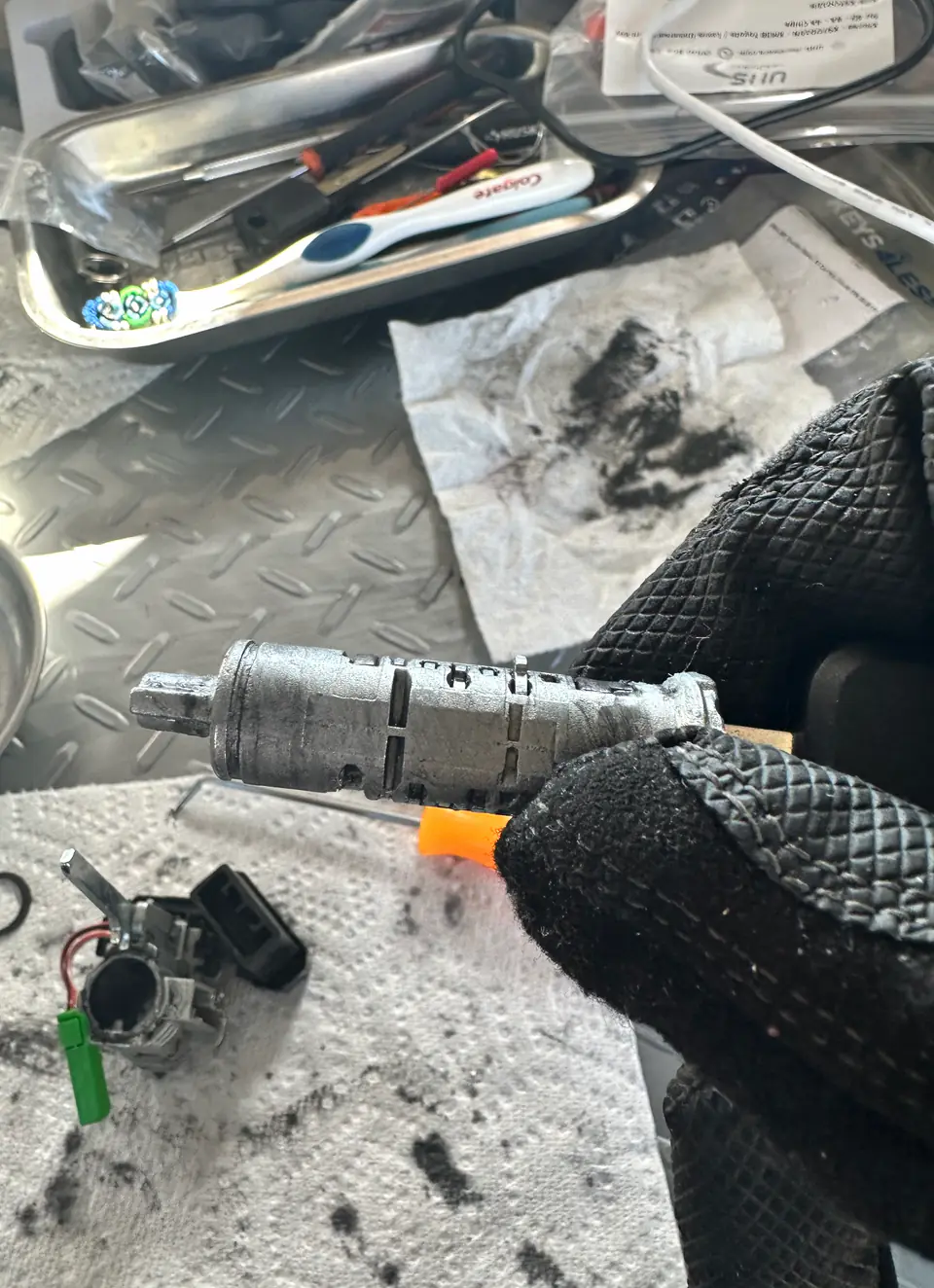
Rekeying is different: a locksmith changes the lock’s internal configuration so the old key no longer operates it, then makes a new key for the changed lock. It can suit a sound, compatible lock when you want to stop old keys from working. A lock rekeying service can address that need without automatically replacing the entire lock.
Only request service for a lock you own or have permission to manage. If you are locked out, avoid forcing the key or door; tell the locksmith what happened and whether the key is available.
Which Lock Solution Fits Your Access Problem?
Picking or other non-destructive entry
This may fit when you need access and want the existing lock left in place. The locksmith first assesses the lock and door; damage, a worn mechanism, or a different lock design can affect the method and result.
Rekeying
Choose this when the lock is in usable condition and your priority is making an old key stop working. The locksmith must check that the cylinder is compatible with rekeying.
Repair or replacement
Consider this when the key repeatedly sticks, the lock is visibly damaged, or the mechanism does not work reliably. A locksmith can inspect the cylinder, latch, and door alignment before recommending a repair or a new lock.
Which Lock Parts and Details Help Identify the Right Approach?
You do not need to take a lock apart or try to manipulate it. A few details you can observe safely help a locksmith understand the situation before arriving.
- The existing key — Keep it available if you have it. Note whether it enters the keyway, turns partway, or does not turn; do not force it if it binds.
- The lock face and cylinder — Look for a visible maker name or signs of damage without removing the lock. A clear phone photo can help identify the lock type.
- The latch and door edge — Notice whether the door is shut, whether the latch appears damaged, and whether the door sits evenly in its frame. Do not pry or push tools into the gap.
- Your phone and a flashlight — Use these to photograph the lock and record what happened. Share the details with the locksmith rather than attempting a method you found online.
Need help now? (240) 980-1647
What Happens Before a Locksmith Works on the Lock?
These steps describe a safe way to prepare and the checks a professional can make. They are not instructions for opening a lock yourself.
- Confirm you are authorized — Make sure you own the property or have permission to request work on it. Check that you can provide any access or ownership details the locksmith needs.
- Stop before forcing the key or door — Put down anything you might use to pry or turn the lock harder. Check whether the key is bent or visibly damaged; repeated force can worsen a jam.
- Describe the symptom — Tell the locksmith whether the key is missing, stuck, turns without moving the latch, or will not enter the keyway. Check that you can explain what changed just before the problem began.
- Share visible lock details — Use your phone to photograph the lock face, the key if available, and the door edge. Check that the photos show the condition clearly, without removing screws or parts.
- Let the locksmith inspect the lock and door — The locksmith can assess the cylinder, latch, and alignment before choosing an approach. Check that the proposed work addresses the symptom you described.
- Decide whether access or key control is the goal — For a lockout, the immediate issue is entry; after lost keys, you may also need to prevent those keys from working. Check that you have told the locksmith which outcome matters to you.
- Confirm whether rekeying is suitable — If you want old keys disabled, ask whether the existing cylinder can be rekeyed or needs repair or replacement. Check that the answer accounts for the lock’s condition and type.
- Test the completed work — After the locksmith finishes, test the new key with the door open first, then check the latch and deadbolt with the door closed. Confirm that the old key no longer operates a rekeyed lock.
What Signs Mean You Should Stop Trying the Lock?
Stop and request professional help if you notice any of these conditions. Continuing to turn or force a key can damage the cylinder or leave the door harder to secure.
- The key bends, cracks, or catches — Do not keep turning it. Tell the locksmith whether the key is still in the lock or came out.
- The cylinder moves or looks damaged — Avoid pulling or twisting the lock face. A loose cylinder may need an inspection before anyone can determine whether repair or replacement is appropriate.
- The key turns but the latch does not move — The problem may involve the lock mechanism or the door’s alignment, not just the key. Describe exactly what moves and what stays still.
- You are unsure whether you can authorize entry — Pause before requesting work and confirm permission with the property owner or responsible manager. A locksmith should work only with proper authorization.
How Should You Choose Between Entry, Rekeying, and Repair?
Start with the outcome, not the name of a tool: do you need to get inside, stop an old key from working, or make a failing lock operate reliably? One lock may need more than one kind of work, particularly when a key is lost and the lock is also damaged.
Ask the locksmith to identify the lock and explain why the recommended approach fits the symptom. Montgomery Locksmith Pro provides mobile locksmith service across Montgomery County, and Kenneth Marshall has 19 years of experience in locksmith services.
For guidance on locks that can be more difficult to open, see which locks are hardest for a locksmith to open?. For information about finding a qualified professional, the Associated Locksmiths of America offers consumer resources.
Need help now? (240) 980-1647
Frequently asked questions
Do locksmiths always need to pick a lock to get someone inside?
No. The approach depends on the lock, its condition, and the reason you need service. A locksmith may determine that repair or another option is more suitable after inspecting the lock.
Can a locksmith rekey my existing lock instead of replacing it?
Often, rekeying is an option when the lock’s cylinder is compatible and in suitable condition. The locksmith can inspect it and tell you whether rekeying, repair, or replacement matches your goal.
What should I do if my key turns but the door will not open?
Stop turning the key repeatedly and note whether the latch moves at all. The cause could involve the lock or door alignment, so describe what you observed when you request service.
How can I check whether a locksmith is qualified?
Ask about the locksmith’s credentials and experience, and confirm that the person is authorized to work on the property. Montgomery Locksmith Pro is licensed and insured; the Associated Locksmiths of America also provides resources for consumers.
Need Help With a Lock You Own?
Call Montgomery Locksmith Pro at (240) 980-1647 for mobile locksmith service.